
FROM MY TRAVELS
Kyoto
Last updated: September 2026
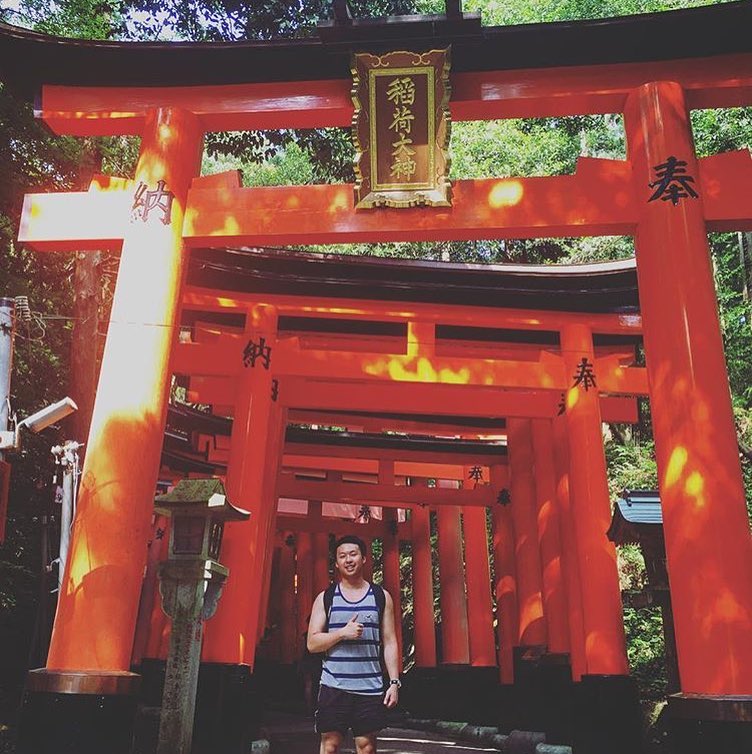
I walked through Fushimi Inari in 36-degree heat and somehow still thought it was worth it. My Imperial Palace attempt was less successful: wrong entrance, assumed it was closed, left. So this Kyoto guide comes with a little experience of getting it wrong. Keep the days focused, eat before you overheat and double-check the entrance before giving up.
Before you go
- Carry yen for small restaurants, temple admission and rural buses. Cards work in hotels and bigger shops. Keep enough cash for tomorrow’s smaller stops.
- Suica, PASMO and ICOCA work on most local transport, but not every rural bus, reserved train or sightseeing ticket. Use one card per traveller.
- Plan the exact station exit as well as the rail journey. For taxis, ask your accommodation or check the GO app’s coverage; remote pickups need arranging ahead.
- Save place names in Japanese and download an offline translation pack. ‘Sumimasen’ is useful for excuse me; ‘arigatō gozaimasu’ is thank you.
- An unlocked phone that supports eSIMs makes getting data easy. Check activation timing and coverage before purchase; many visitor plans are data-only.
- Keep the accommodation address and last return connection available offline. Download a map for countryside and mountain days, even with a SIM.
Sorting out the practical bits? See the tools I use when I travel for data, bookings, gear and China payment tips.
The route at a glance
Stops are approximate. Dashed lines show the order, not the roads. Optional stops are swaps, not extras.
Select a stop below to locate it. Drag to pan; use the controls or arrow keys to explore.
- Day 1 AM
- Day 1 PM
Higashiyama, then Gion if energy allows
Allow time for the approach, then a seated lunch in the Kiyomizu area.
Locate on mapLunch in the Kiyomizu area: Okutan Kiyomizu
- Day 2 AM
- Day 2 PM
Nishiki area and a relaxed finish
Allow time for luggage collection and the train.
Locate on mapLunch or dinner: Katsukura — Shijo Teramachi
A note on the links I may earn a commission from bookings or purchases through these affiliate links.
A route for your visit
This route uses two days for different parts of Kyoto. Keep Fushimi Inari and the palace area on separate days if you want time to walk beyond the entrances. Add arrival and departure time around that plan.
Day 1 · Choose your distance at Fushimi Inari
Begin at Fushimi Inari and decide how much of the uphill route suits you. The lower shrine precinct and a partial ascent are a different commitment from a full mountain circuit. Leave time for the descent and a drink before transferring to Higashiyama; don’t start the day by exhausting the whole walking budget.
Fushimi Inari is dedicated to Inari, associated with rice and prosperity, and its donated torii turn the wooded path into a changing tunnel of colour. Walk as far as you’re enjoying it. You don’t need to reach the top.
In hot weather, the lower gates and a shorter ascent are a sensible visit in their own right. Keep water with you and turn back while the descent still feels manageable.
If you want a guide for this part, compare Fushimi Inari guided visits on Viator by the meeting point and walking route. The independent shrine walk does not require a tour.
Higashiyama with a seated lunch
After Fushimi Inari, travel towards Higashiyama and allow time for the uphill approach to the Kiyomizu area. Make Okutan Kiyomizu your seated lunch break, then explore Kiyomizu-dera and the surrounding lanes. If you are already hungry or tired, stop earlier for a snack or rest. Continue towards Gion and the river only if you feel like more walking.
Kiyomizu-dera’s timber stage projects over the hillside, giving its Buddhist temple setting a strong relationship with the city below. Stop for the building and the valley view, not just the famous photo.
Gion is associated with Kyoto’s traditional performing arts and hospitality, and its streets remain places where people live and work. Come for the streets. Don’t chase geiko or wander into private lanes.
Lunch in the Kiyomizu area: Okutan Kiyomizu
A specific choice for the second day
Kyoto Imperial Palace recalls the city’s long role as Japan’s imperial capital. It’s a good pick when you want space and architecture after the busier temple approaches.
Choose one temple, garden or museum that interests you and fits your base or departure route, then allow around two hours before lunch in central Kyoto. If Arashiyama is the reason for the day, replace the central programme with that western area instead. In rain, an indoor collection can take the main window, leaving a short river walk for an improvement in the weather.
Arashiyama brings river scenery, hills and temple gardens together on Kyoto’s western side. Give it its own day. It’s not a quick add-on after lunch in the city.
Day 2 · Central Kyoto and an unhurried finish
Use the Nishiki area for browsing and lunch, following individual shops’ eating and photography rules. Leave the rest for a café or a short river walk. If you’re collecting bags and catching a train that afternoon, cut the browsing short. The transfer takes real time.
Nishiki’s food shops show Kyoto through everyday ingredients, preserved foods and small specialities. Browse slowly and pick a few things that catch your eye. Lunch doesn’t need to be a tasting checklist.
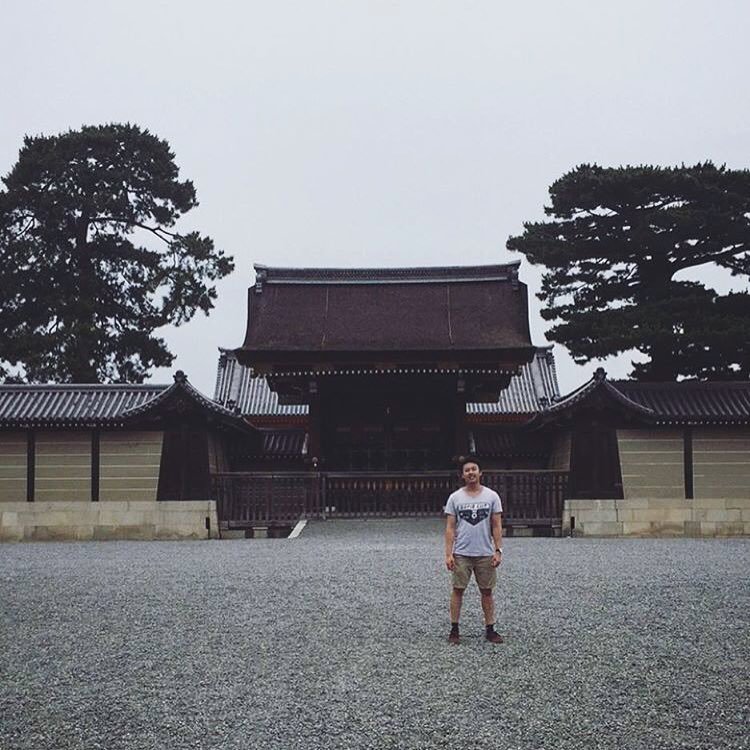
The broad gravel courtyard at Kyoto Imperial Palace. Lunch or dinner: Katsukura — Shijo Teramachi
What to budget
Prices checked September 2026. These are for the named ticket or service. Check your date and what’s included before you pay.
- Kiyomizu-dera adult admission: JPY 500 — Standard admission listed by JR Central’s Kyoto guide; special events or other sites can have separate charges. Price source
- Kyoto sightseeing express bus: JPY 500 per ride — EX100/EX101 visitor routes; this is not the fare for every ordinary city bus. Price source
Budget JPY 1,000–2,500 per person for a simple meal. That’s a rough guide. Drinks and nicer restaurants cost more. Price transfers separately, especially private drivers, boats and airport trips.
A few photo tips
- At Fushimi Inari, an early visit gives the best chance of gaps between walkers. Frame the repeating torii from the side of the path and keep moving when the passage is busy.
- At Kiyomizu-dera, use permitted viewpoints for the wooden stage and wooded hillside; gentle early light is easier than harsh midday contrast. Follow the temple’s restrictions on tripods and commercial photography.
- In Higashiyama, include the curve of a public lane or roofline and wait for a natural gap. Respect private-lane signs and avoid photographing residents or performers without consent.
If the weather changes
Use a museum or an open palace/castle interior for the wettest part of the day and keep lunch nearby. Temple paths and stone lanes can be slippery. Shorten the walk rather than heading somewhere far away instead.
The final day and your flight
Morning flight: for Kansai or Itami, arrange the transfer the night before and make departure the only plan. Consider an airport-side final night if the first service does not fit.
Afternoon flight: stay near your hotel or Kyoto Station for breakfast and a short browse, then collect luggage. Check which Osaka-area airport you booked and the full connection; Fushimi Inari and Higashiyama are better on a sightseeing day.
Save the entrance, not just the attraction
Large temple and palace grounds can have several gates with different access arrangements. Save the current visitor entrance before leaving your accommodation. If the palace is on your list, check its official visitor information and use it as the main stop on day two.
Booking checks
Check venue hours, closing days and neighbourhood visitor guidance. Early starts help at outdoor approaches but don’t mean every interior is open. Avoid following or photographing working residents at close range in Gion.
Visitor information and official links
Useful booking links (optional)
Connected, from arrival.
Keep maps, hotel details and bookings close at hand. Find an Airalo eSIM for your next trip.
15% offNew Airalo usersANDYPANELNEW10% offAll Airalo usersANDYPANELCodes apply automatically through these links. Valid until 30 June 2027.
Before you buy, check your phone is unlocked and supports eSIMs, and look at the coverage, data and activation rules.
Make room for an experience.
Compare activities, tickets and transport on Klook, then choose what fits your route.
Eligible bookings only; any discount is shown before payment. Flights and gift cards are excluded.
I may earn a commission through these links. As an Amazon Associate I earn from qualifying purchases.
Quick answers
How many days do I need in Kyoto?
I’d give it two sightseeing days, plus arrival and departure. Fushimi Inari and Higashiyama on day one, then a palace, garden or museum and central Kyoto on day two. Add a third day if Arashiyama is a priority.
When is the best time to visit Kyoto for this route?
Plan the outdoor walks for the cooler part of the day. I visited Fushimi Inari in 36-degree heat, so in summer I’d cut the climb short and take a long lunch break indoors. In rain, use a museum or an open palace interior for the wettest hours.
What is the easiest way to get around Kyoto?
Use rail for Fushimi Inari where convenient, then walking, buses or taxis between areas. The JR Nara Line local service stops at Inari. Save the actual visitor entrance for large grounds and allow extra time for busy buses and uphill temple approaches.
What rough daily budget should I allow in Kyoto?
For three simple meals, start with JPY 3,000–7,500 per person, using the guide’s JPY 1,000–2,500 meal allowance. Add your hotel, transport and admissions separately. The September 2026 examples above include JPY 500 for Kiyomizu-dera and JPY 500 per sightseeing express bus ride.
Do I need to climb all the way up Fushimi Inari?
No. The lower shrine precinct and a partial ascent make a worthwhile visit. Pick a turnaround point while the walk down still feels easy, so you have energy left for Higashiyama.