
FROM MY TRAVELS
Shirakawa-go
Last updated: October 2026
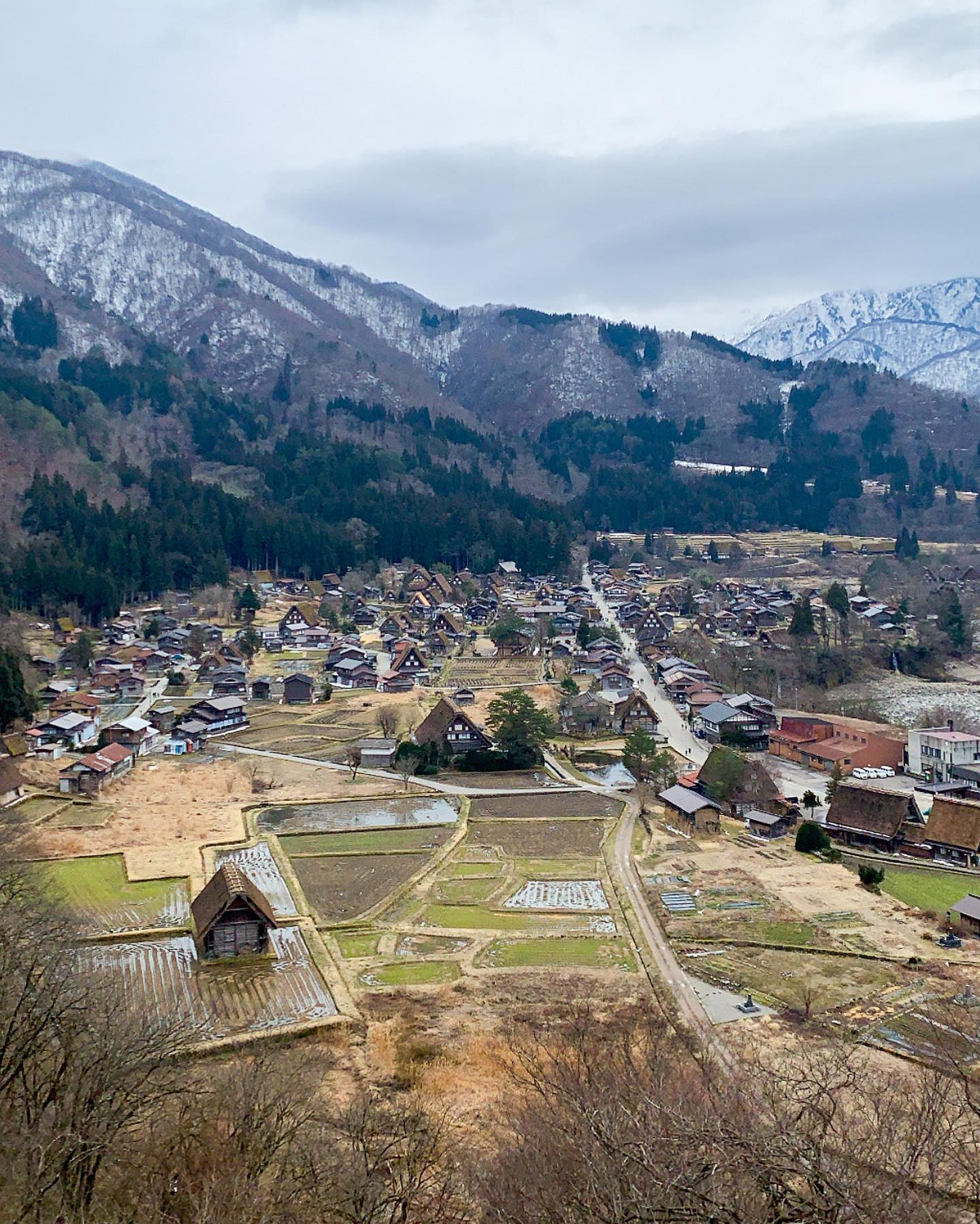
I reached Shirakawa-go while passing through Kanazawa and was a bit disappointed that the snow had already melted. I’d clearly turned up with a very specific winter picture in my head.
Route overview
Stops are approximate. Dashed lines show the order, not the roads. Optional stops are swaps, not extras.
Select a stop below to locate it. Drag to pan; use the controls or arrow keys to explore.
Before you go
- Carry yen for small restaurants, temple admission and rural buses. Cards work in hotels and bigger shops. Keep enough cash for tomorrow’s smaller stops.
- Suica, PASMO and ICOCA work on most local transport, but not every rural bus, reserved train or sightseeing ticket. Use one card per traveller.
- Plan the exact station exit as well as the rail journey. For taxis, ask your accommodation or check the GO app’s coverage; remote pickups need arranging ahead.
- Save place names in Japanese and download an offline translation pack. ‘Sumimasen’ is useful for excuse me; ‘arigatō gozaimasu’ is thank you.
- An unlocked phone that supports eSIMs makes getting data easy. Check activation timing and coverage before purchase; many visitor plans are data-only.
- Keep the accommodation address and last return connection available offline. Download a map for countryside and mountain days, even with a SIM.
Sorting out the practical bits? See the tools I use when I travel for data, bookings, gear and China payment tips.
A note on the links I may earn a commission from bookings or purchases through these affiliate links.
A route for your visit
Times are rough. Allow extra time for getting there, leaving and transfers.
Arrive in Ogimachi with the return arranged
Choose the bus departure and return before deciding how long to spend sightseeing. On arrival, note the boarding point and walk into the village without immediately chasing the observatory. Carry only what you need so luggage doesn’t dictate a route through narrow or snowy paths.
The observatory brings the settlement and surrounding valley into a single view. Use it to see how the village is laid out, as long as the path is open.
Book the arrival and return as one plan, then note where to board before leaving the terminal. Walk into Ogimachi first and get a feel for the streets before heading uphill. The roof shapes and setting are the main interest, so look around as you go. Keep large bags stored appropriately; pulling luggage through narrow paths would make a fairly gentle day feel like hard work.
Ogimachi’s gasshō-zukuri farmhouses use steep thatched roofs suited to the region’s heavy snow. Look at how the houses sit together in the village, not just each one on its own.
One house interior adds context
Wada House and Kanda House are two named heritage interiors in Ogimachi. Pick one to see how the steep thatched roof sits over the working and living spaces, then return to the village lanes. The Ogimachi observatory is the landscape view if its permitted access route is open; it adds something different from a second house interior.
A visit inside a house such as Wada House helps explain how domestic life and work fitted beneath those large roofs. Pick one house to go inside and take time to read about it.
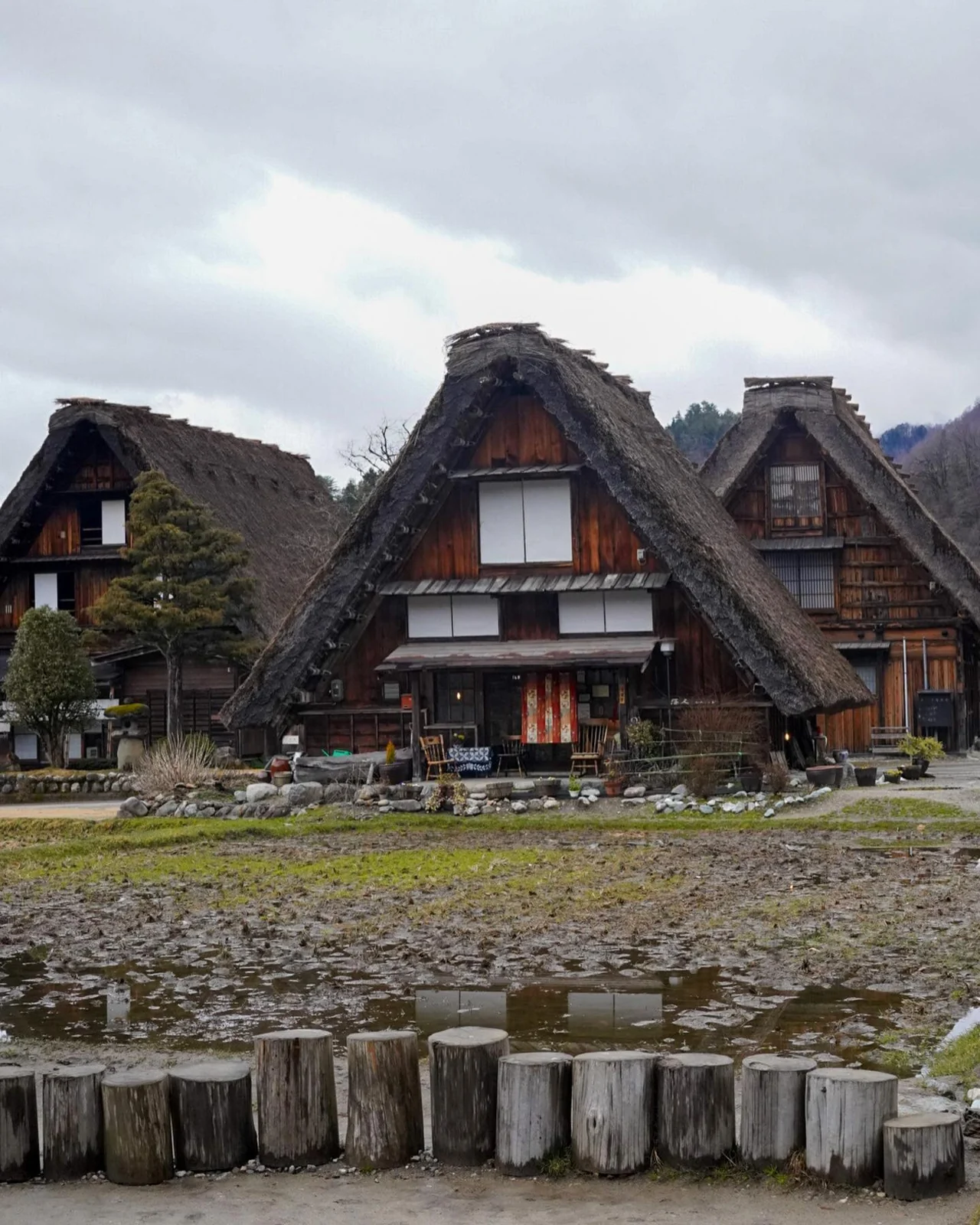
Traditional steep-roofed houses in Shirakawa-go. Lunch before deciding on the wider view
Eat in Ogimachi, then check the currently permitted route or transport to the observatory. Snow and access management can change the effort and timing. Include getting back down before committing to it. If the path is closed, spend the time in the village. Don’t look for an unofficial way up or risk missing the bus back.
A last village walk before boarding
Leave time for a final short circuit and a warm drink before returning to the bus stop. Illumination nights need separate planning. They’re not part of a normal winter visit. Finish with plenty of time for the bus. Skip that one more far-off photo.
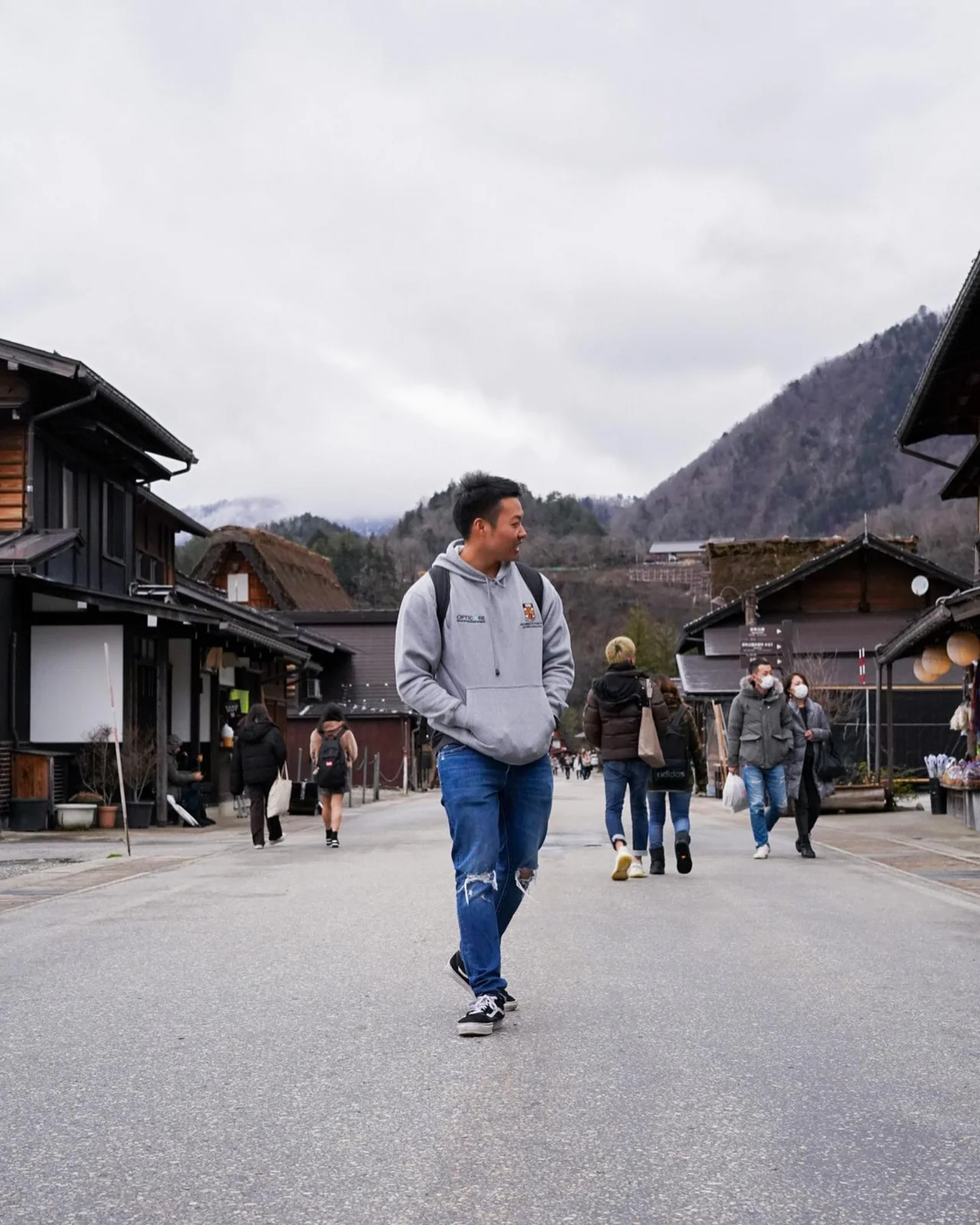
A village street in Shirakawa-go.
What to budget
Prices checked September 2026. These are for the named ticket or service. Check your date and what’s included before you pay.
- Wada House: JPY 400 — Adult admission to this house museum, not all village interiors. Price source
Budget JPY 1,000–2,500 per person for a simple meal. That’s a rough guide. Drinks and nicer restaurants cost more. Price transfers separately, especially private drivers, boats and airport trips.
A few photo tips
- From the observatory path, keep the village in its valley. Not every frame has to be one roof.
- In the lanes, use public paths and respect private homes; soft cloud often suits thatch and timber better than harsh midday sun.
If the weather changes
Prioritise a house museum and lunch; skip an icy or closed viewpoint route and protect the onward bus reservation.
The final day and your flight
Morning flight: stay within reach of your onward airport the night before, then keep the morning for checkout and the transfer. Allow for the airline’s check-in time as well as the trip.
Afternoon flight: leave Shirakawa-go for your connecting city with plenty of time. The village is best done before flight day, not squeezed between long transfers. Work out the transfer and bag pickup time before deciding when to finish.
A village people live in
Use the public lanes and choose a house that's open to visitors if you want to see inside. The fields, gardens and other homes aren't part of the attraction. In winter, check the permitted observatory route before heading uphill; special illumination events have separate arrangements.
Booking checks
Check bus reservations, house openings and event restrictions. Stay out of private homes, fields and gardens. These timings include a relaxed visit and travel; they don’t imply every attraction is open throughout the day.
Visitor information and official links
Useful booking links (optional)
Trip extras
15% offNew Airalo usersANDYPANELNEW10% offAll Airalo usersANDYPANEL
Klook
Offer details & phone compatibility
Codes apply automatically through these links. Valid until 30 June 2027.Before you buy, check your phone is unlocked and supports eSIMs, and look at the coverage, data and activation rules.
Eligible bookings only; any discount is shown before payment. Flights and gift cards are excluded.
I may earn a commission through these links. As an Amazon Associate I earn from qualifying purchases.