
FROM MY TRAVELS
Miyajima
Last updated: October 2026
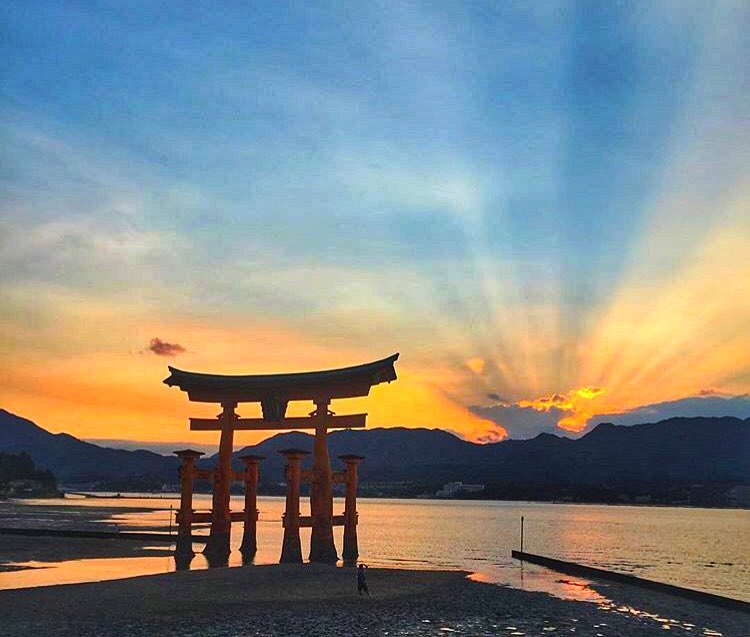
I was supposed to be studying for my last exam when I found myself scrolling through Miyajima sunset photos. Very productive.
Route overview
Stops are approximate. Dashed lines show the order, not the roads. Optional stops are swaps, not extras.
Select a stop below to locate it. Drag to pan; use the controls or arrow keys to explore.
Before you go
- Carry yen for small restaurants, temple admission and rural buses. Cards work in hotels and bigger shops. Keep enough cash for tomorrow’s smaller stops.
- Suica, PASMO and ICOCA work on most local transport, but not every rural bus, reserved train or sightseeing ticket. Use one card per traveller.
- Plan the exact station exit as well as the rail journey. For taxis, ask your accommodation or check the GO app’s coverage; remote pickups need arranging ahead.
- Save place names in Japanese and download an offline translation pack. ‘Sumimasen’ is useful for excuse me; ‘arigatō gozaimasu’ is thank you.
- An unlocked phone that supports eSIMs makes getting data easy. Check activation timing and coverage before purchase; many visitor plans are data-only.
- Keep the accommodation address and last return connection available offline. Download a map for countryside and mountain days, even with a SIM.
Sorting out the practical bits? See the tools I use when I travel for data, bookings, gear and China payment tips.
A note on the links I may earn a commission from bookings or purchases through these affiliate links.
A route for your visit
Times are rough. Allow extra time for getting there, leaving and transfers.
Let the ferry and tide shape the start
Confirm the ferry connection, arrive on the island and walk towards the shrine waterfront. Check the tide if a particular shoreline view matters, but don’t make the whole visit depend on reproducing one image. Keep luggage off the island day route where possible.
When you arrive, walk slowly towards the shrine waterfront and take in the island. No need to rush to the torii. If the tide matters to a particular photograph, check it while planning, then accept the view on the day. Leave heavy bags behind. The ferry crossing is only one part of the journey; keep the mainland connection and trip back to Hiroshima visible when deciding how late to stay.
The shrine and its shoreline setting
Allow an hour to ninety minutes for Itsukushima Shrine’s permitted route, waiting and time along the waterfront. Check the tide if a particular water-level view matters to you, while accepting that your day may show something different from the Journal photograph. The shrine visit and access to the shore are separate: follow the conditions and signs you find on arrival.
Itsukushima Shrine’s waterside setting links its buildings and torii to the changing tide. Try to see it both with water underneath and with the shore exposed.
Lunch around Omotesando
Omotesando is the island’s busy visitor street, with local food giving it a different kind of interest from the shrine. Stop for something you want to try, don’t just walk through.
Return towards the shopping street for lunch before starting another walk. Choose a full meal or a few manageable snacks, leaving time to sit. Keep food secure around the deer and don’t feed them. A busy restaurant queue is a reason to choose another nearby option, not sacrifice the ferry margin.
Daishō-in, or more time by the water
Choose Daishō-in if the steps suit your group, and keep any Momijidani extension optional. Otherwise, return towards the shore and shops for a slower finish. Work backwards from a comfortable ferry, including the mainland journey to your Hiroshima base. Mount Misen should replace this lower-level programme after checking ropeway operations and the walking still required beyond it.
Daishō-in adds a hillside Buddhist temple to an island often represented by one Shinto shrine photograph. Take time for the smaller details. No need to rush back to the ferry.
What to budget
Prices checked September 2026. These are for the named ticket or service. Check your date and what’s included before you pay.
- Itsukushima Shrine / shrine-treasure hall combination: JPY 300–500 — Adult admission options; the ferry and any island visitor tax are separate. Price source
Budget JPY 1,000–2,500 per person for a simple meal. That’s a rough guide. Drinks and nicer restaurants cost more. Price transfers separately, especially private drivers, boats and airport trips.
A few photo tips
- Check the tide before planning your shrine photo. High and low water give you completely different shots.
- Use an early ferry for a quieter approach, and photograph from public paths without blocking worship or the landing.
If the weather changes
Shorten the outdoor hillside portion and spend more time in permitted sheltered shrine or temple areas and a seated lunch; check ferry operation in severe weather.
The final day and your flight
Morning flight: stay within reach of Hiroshima Airport the night before, then keep the morning for checkout and the transfer. Allow for the airline’s check-in time as well as the trip.
Afternoon flight: allow for the island ferry and the onward airport journey; an early mainland return matters more than fitting in another temple. Work out the transfer and bag pickup time before deciding when to finish.
Booking checks
Confirm shrine hours, tides and ferry services. Keep food away from deer and follow wildlife guidance. If you go for the mountain, check trail conditions first. Clear views and an easy walk down aren’t guaranteed.
Visitor information and official links
Useful booking links (optional)
Trip extras
15% offNew Airalo usersANDYPANELNEW10% offAll Airalo usersANDYPANEL
Klook
Offer details & phone compatibility
Codes apply automatically through these links. Valid until 30 June 2027.Before you buy, check your phone is unlocked and supports eSIMs, and look at the coverage, data and activation rules.
Eligible bookings only; any discount is shown before payment. Flights and gift cards are excluded.
I may earn a commission through these links. As an Amazon Associate I earn from qualifying purchases.