
FROM MY TRAVELS
Tokyo
Last updated: September 2026
Tokyo had me photographing ordinary streets like they were attractions in their own right. Shinjuku especially. Signs, lights and little corners that made me stop again when I’d barely started walking. Then teamLab took the whole looking-at-things experience somewhere else. For two days, I’d do Asakusa and Ueno together, then give art and Shinjuku their own day. There is plenty here without spending the trip on trains.
Route overview
Stops are approximate. Dashed lines show the order, not the roads. Optional stops are swaps, not extras.
Select a stop below to locate it. Drag to pan; use the controls or arrow keys to explore.
Before you go
- Carry yen for small restaurants, temple admission and rural buses. Cards work in hotels and bigger shops. Keep enough cash for tomorrow’s smaller stops.
- Suica, PASMO and ICOCA work on most local transport, but not every rural bus, reserved train or sightseeing ticket. Use one card per traveller.
- Plan the exact station exit as well as the rail journey. For taxis, ask your accommodation or check the GO app’s coverage; remote pickups need arranging ahead.
- Save place names in Japanese and download an offline translation pack. ‘Sumimasen’ is useful for excuse me; ‘arigatō gozaimasu’ is thank you.
- An unlocked phone that supports eSIMs makes getting data easy. Check activation timing and coverage before purchase; many visitor plans are data-only.
- Keep the accommodation address and last return connection available offline. Download a map for countryside and mountain days, even with a SIM.
Sorting out the practical bits? See the tools I use when I travel for data, bookings, gear and China payment tips.
A note on the links I may earn a commission from bookings or purchases through these affiliate links.
A route for your visit
Allow two full sightseeing days: the eastern neighbourhoods first, then the booked art visit and Shinjuku. If a flight takes up half a day, drop a neighbourhood. Don’t squeeze the same route into fewer hours.
Day 1 · Asakusa before crossing town
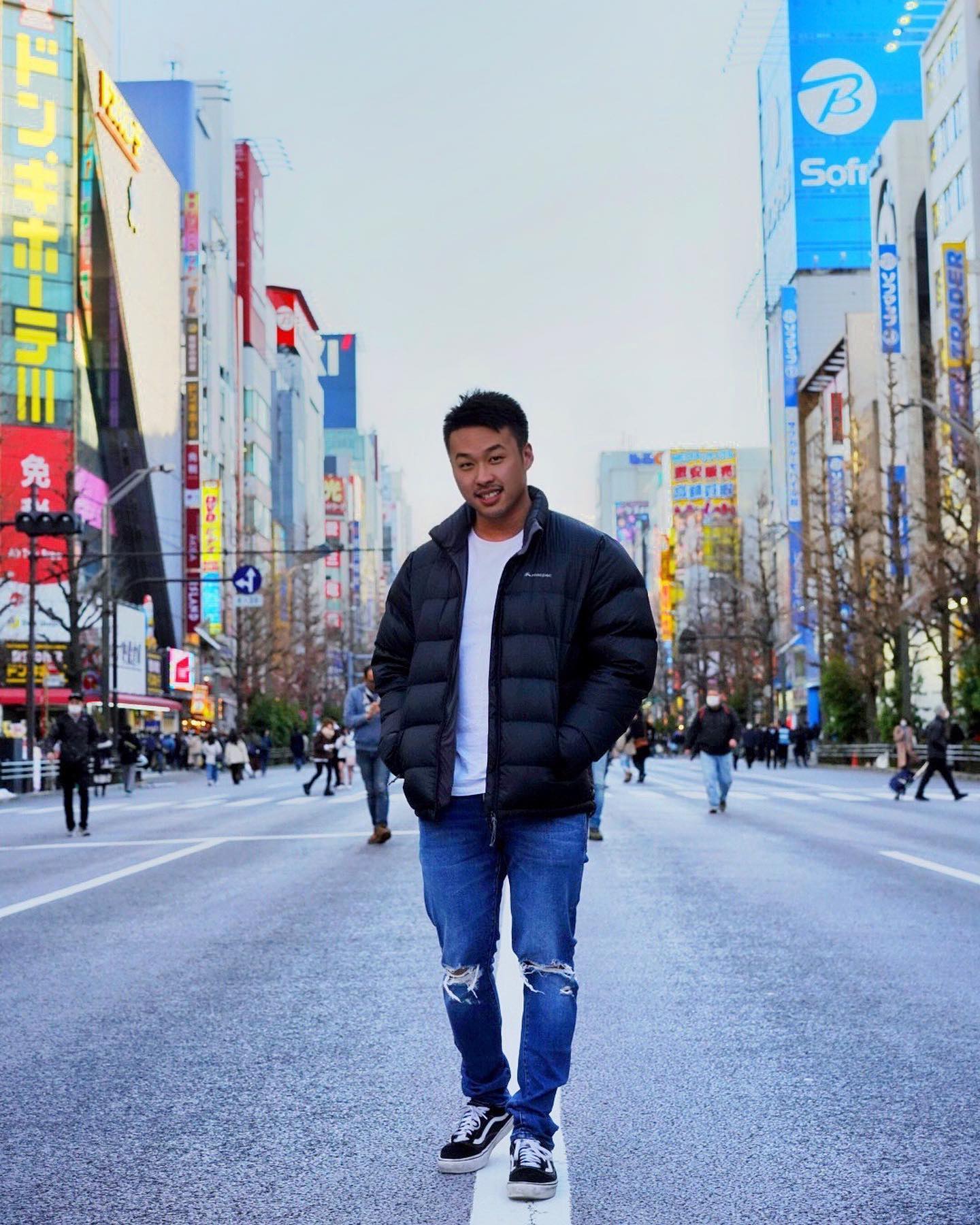
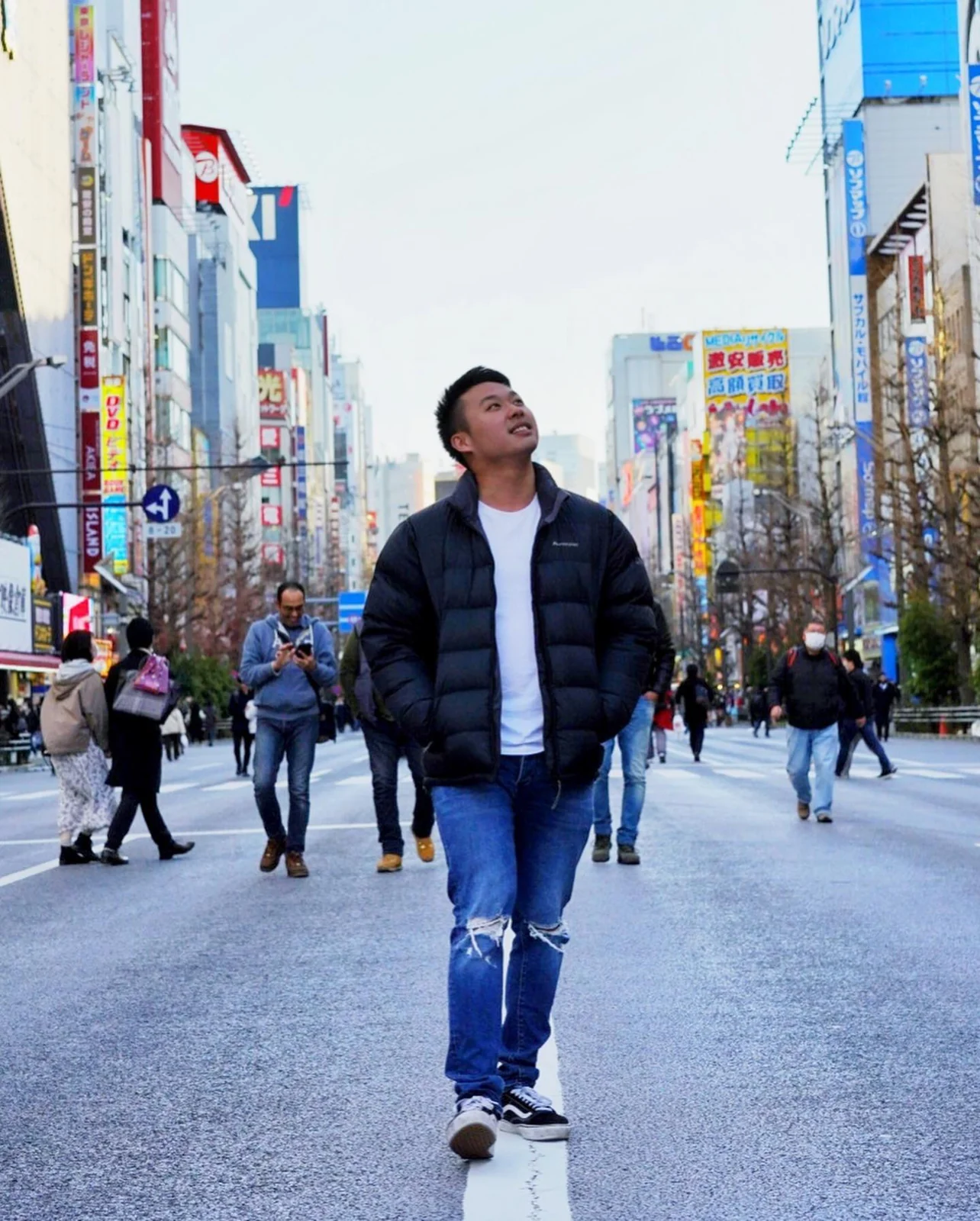
Start at Sensō-ji. Walk through the temple approach and into the streets nearby, not just to the main gate. Allow a couple of hours, including breakfast and a short Sumida River walk. Keep large bags at your accommodation so narrow shopping streets don’t become a luggage exercise. Nakamise can be busy; you don't need to browse every stall before reaching the temple. If you’d like a guide for the temple and nearby streets, compare Sensō-ji walks on Viator. Check the walking route and meeting time against your Ueno afternoon.
Sensō-ji is a living Buddhist temple as well as one of Tokyo’s best-known landmarks, with worship continuing around the visitors. Watch how the place works and give people who are praying their space.
Ueno brings major cultural collections, park paths and the everyday market streets around Ameyoko into the same part of the city. Enjoy the change of pace. You don’t need to fit every museum into one morning.
Ueno gets the afternoon
Travel from Asakusa to Ueno, then have lunch around the station or Ameyoko before choosing the next stop. A museum deserves most of the afternoon; a park walk leaves more time for the food streets. Pick based on your interests and what’s open that day. Don’t try to cover several collections. Staying in this area for dinner avoids another transfer just when you’re ready to sit down.
Day 2 · A booked art visit at Azabudai
For a contemporary-art stop, consider teamLab Borderless. Its Tokyo venue is at Azabudai Hills, distinct from teamLab Planets in Toyosu. Book the right venue and allow about two to three hours, with lunch nearby after.
teamLab Borderless treats light, movement and the visitor as parts of the artwork, so the experience changes as you move. Walk through a few rooms before trying to photograph everything.
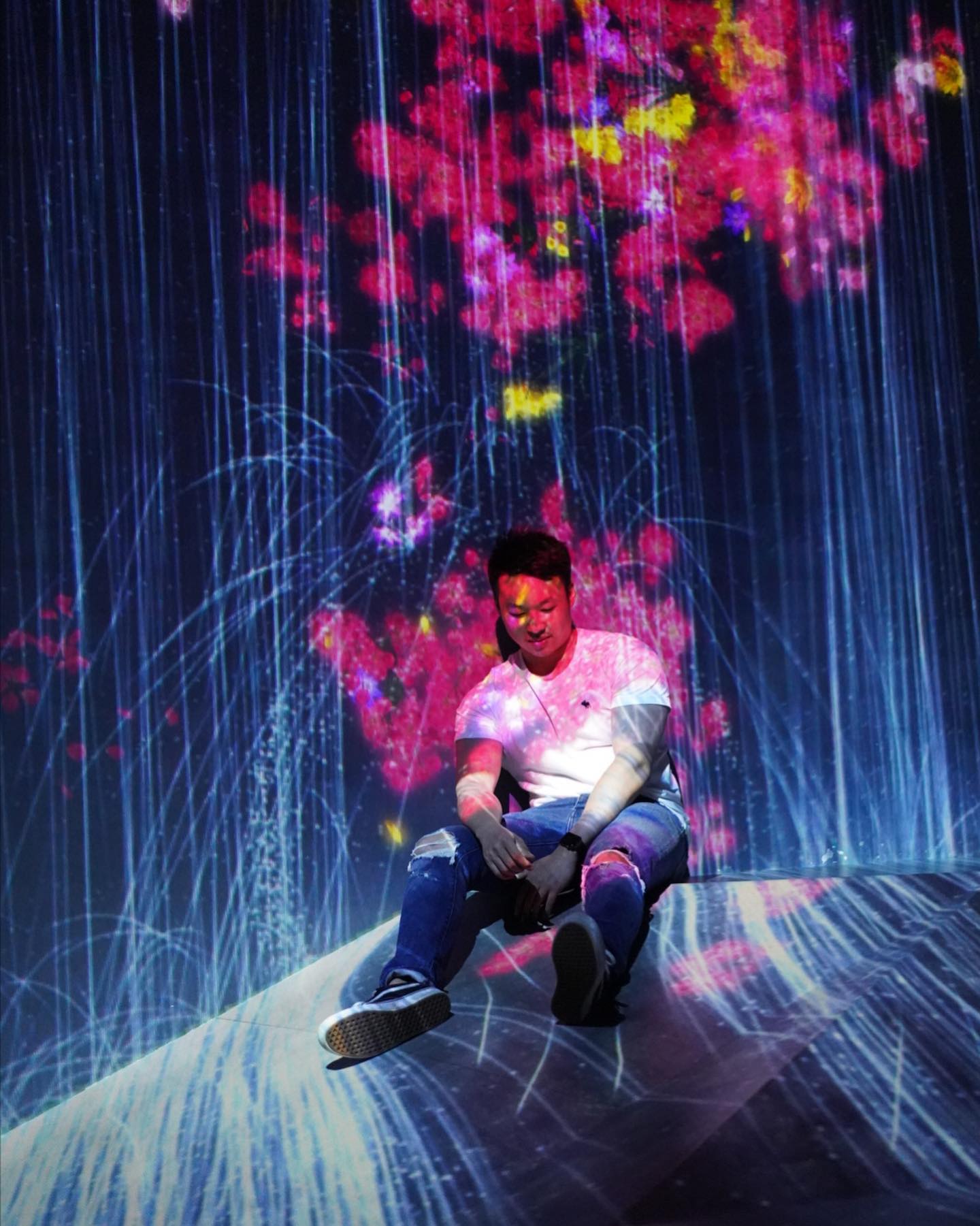
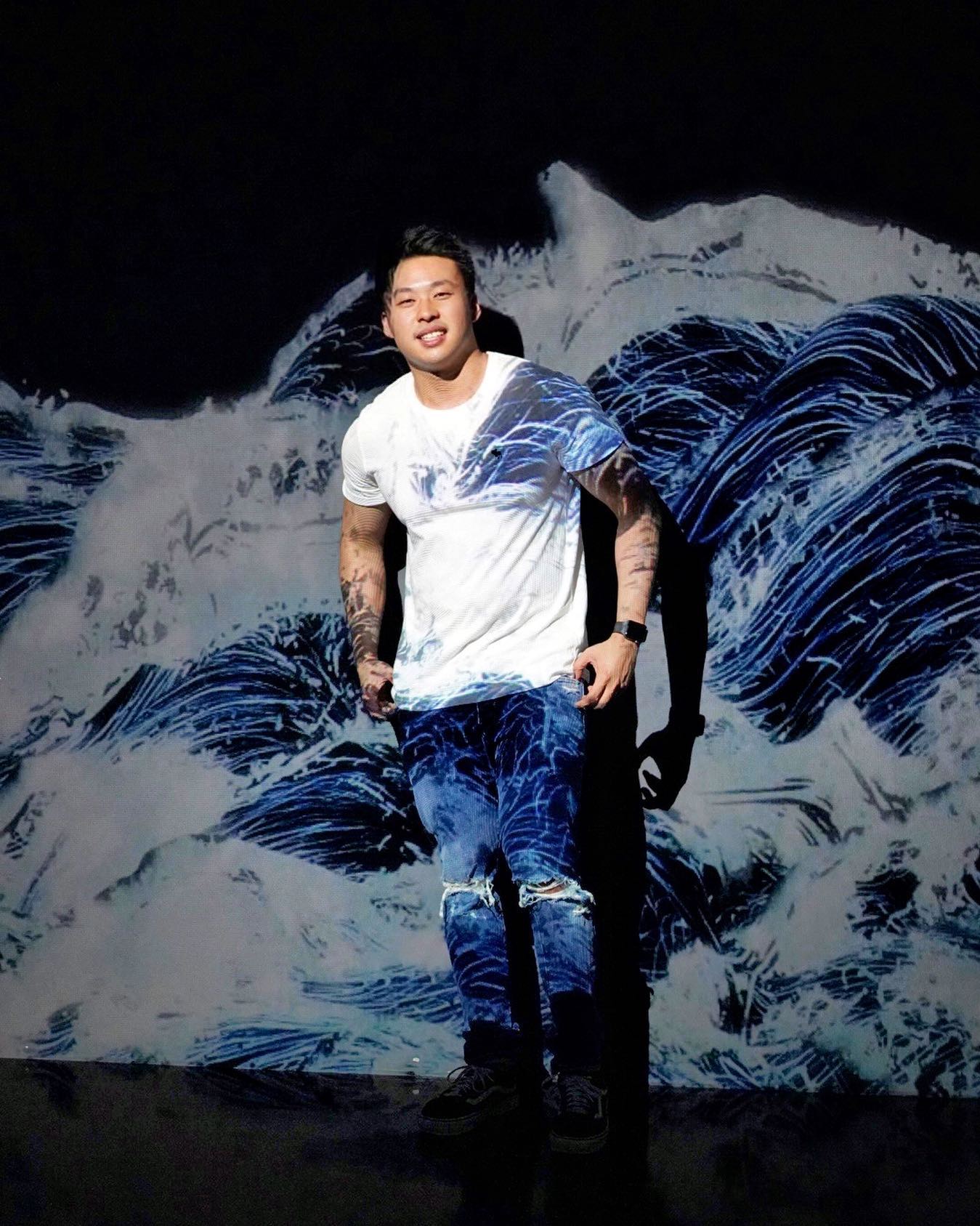
Coloured light trails and flower projections at the earlier Tokyo teamLab Borderless venue. The current Borderless visit is at Azabudai Hills, so save that exact entrance with the ticket. My older teamLab memory shouldn't be used as directions to today's venue. Book a morning or late-morning slot, eat before or after and take your time inside. Try watching a room change before moving on; collecting one photo from each space would miss much of the experience.
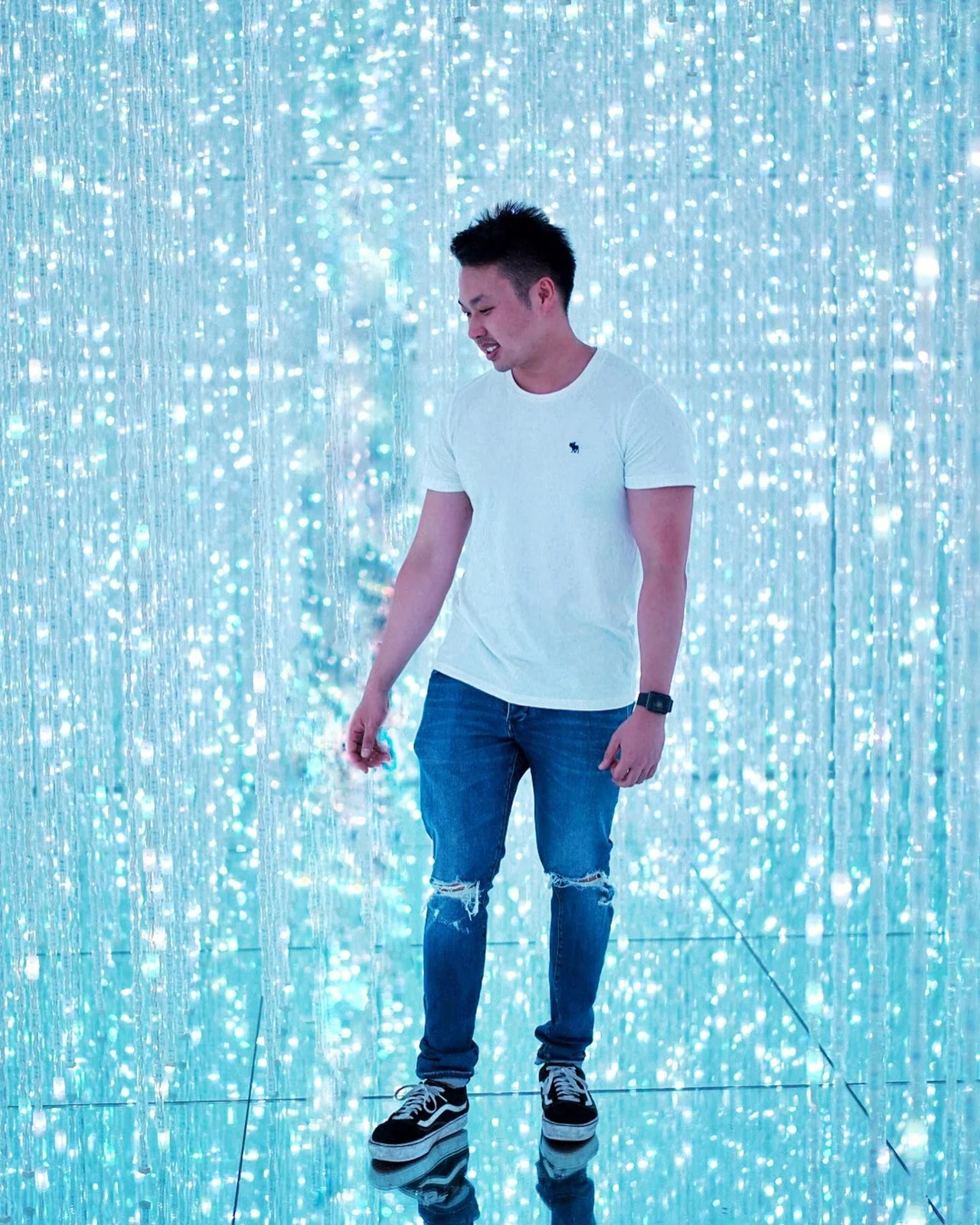
A curtain of blue lights at the earlier Tokyo teamLab Borderless venue. For the Azabudai visit, compare teamLab Borderless tickets on Klook with the official option and choose the timed slot before arranging the rest of the afternoon.
Shinjuku after art, with one clear choice
After the booked art visit and lunch, travel to Shinjuku and choose the garden or the shops and food halls. Check Shinjuku Gyoen’s closing day and last entry before making it the afternoon’s main stop. With an evening departure, remove the garden and protect the time for bags and the station. Stay in Shinjuku for dinner before returning to your accommodation.
Shinjuku Gyoen places different garden styles within a busy part of Tokyo. Make it a quiet look around, not another set of gates to tick off.
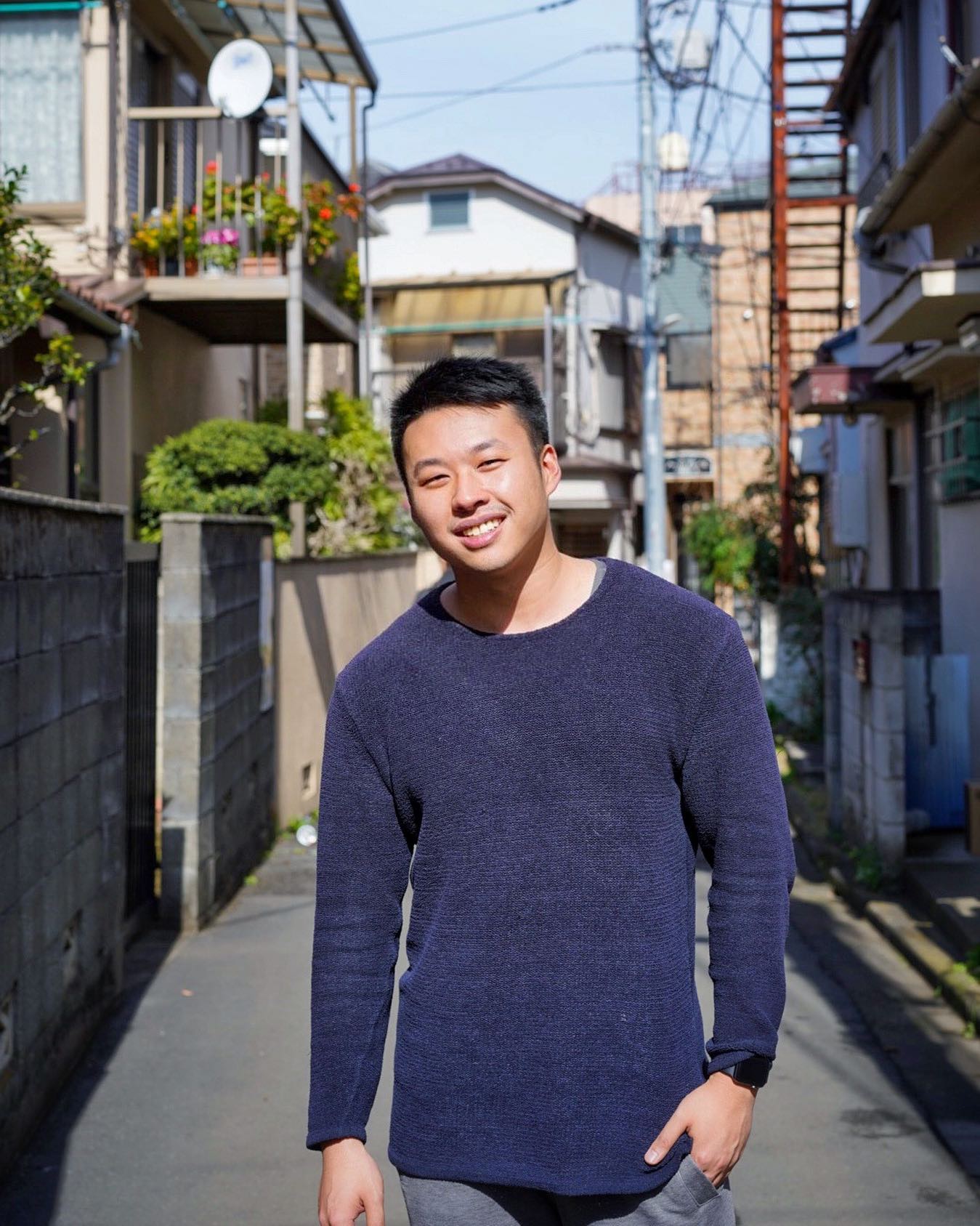
A narrow Shinjuku lane lined with small shops.
What to budget
Prices checked September 2026. These are for the named ticket or service. Check your date and what’s included before you pay.
- Tokyo Metro paper single ticket: JPY 180–330 — Distance-based Tokyo Metro fare, not an all-operator or airport fare. IC fares can differ slightly. Price source
Budget JPY 1,000–2,500 per person for a simple meal. That’s a rough guide. Drinks and nicer restaurants cost more. Price transfers separately, especially private drivers, boats and airport trips.
A few photo tips
- Visit Asakusa early for more space around the outer temple approach; avoid photographing worshippers closely.
- At Shinjuku Gyoen, frame the city through trees from the permitted paths; check photography rules before bringing equipment.
- At teamLab, follow the camera rules and try a few still shots. Don’t hog a room taking portraits.
If the weather changes
Use the chosen museum or booked teamLab visit as the main event, then shorten the outdoor temple and garden portions.
The final day and your flight
Morning flight: stay within reach of Haneda or Narita, as shown on your ticket the night before, then keep the morning for checkout and the transfer. Allow for the airline’s check-in time as well as the trip.
Afternoon flight: keep a neighbourhood breakfast near the hotel; the two airports have very different transfer times, so do not add an across-city outing. Work out the transfer and bag pickup time before deciding when to finish.
A note on the teamLab photos
My Borderless photographs are from the earlier Tokyo venue. The current Borderless is at Azabudai Hills; Planets in Toyosu is a separate attraction. Use the official booking link below and check the address before buying tickets.
Booking checks
Reserve the exact teamLab venue directly and check museum closing days. Keep the days interchangeable around ticket availability. Garden seasons and skyline visibility vary, so neither blossom nor a clear sunset is essential to this route.
Visitor information and official links
Useful booking links (optional)
Connected, from arrival.
Keep maps, hotel details and bookings close at hand. Find an Airalo eSIM for your next trip.
15% offNew Airalo usersANDYPANELNEW10% offAll Airalo usersANDYPANELCodes apply automatically through these links. Valid until 30 June 2027.
Before you buy, check your phone is unlocked and supports eSIMs, and look at the coverage, data and activation rules.
I may earn a commission through these links. As an Amazon Associate I earn from qualifying purchases.